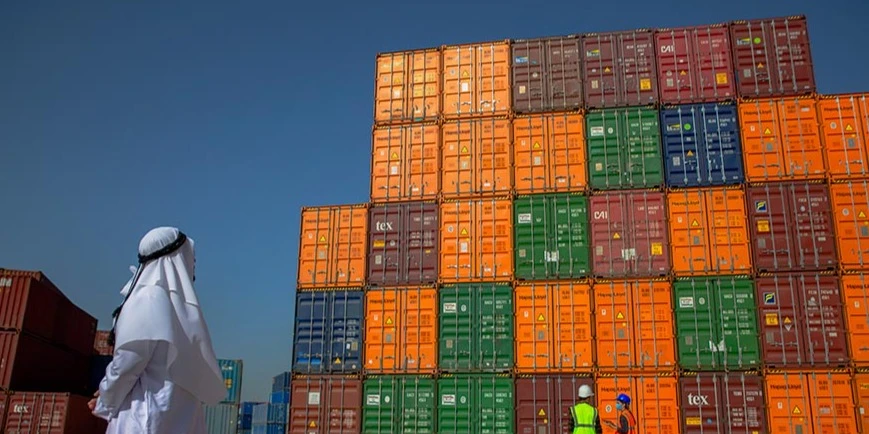
International trade depends on the smooth movement of goods between countries. Every day, large volumes of cargo arrive at seaports and leave for destinations around the world. Port terminals play an important role in managing this movement. They provide the facilities, equipment, and operational support needed to handle different types of shipments.
Managing cargo at a port terminal involves several activities. These include receiving containers, unloading vessels, inspecting cargo, arranging storage, and preparing shipments for collection or further transportation. Each activity must be carefully planned to avoid unnecessary delays.
Port terminals also work with shipping lines, freight forwarders, customs authorities, transport companies, and warehouse operators. Their coordination helps ensure that cargo moves through the port according to the required procedures.
Understanding how port terminals operate can help importers, exporters, and logistics businesses make better decisions about international transportation.
Planning Vessel Arrivals and Berth Allocation
- Vessel planning is one of the first stages of terminal operations. Port terminals receive ships from different shipping companies, and each vessel requires suitable space and handling resources.
- Terminal operators work with port authorities and shipping agents to coordinate arrival schedules. They consider estimated arrival times, vessel dimensions, cargo volumes, and available equipment before assigning berths.
- A berth is the designated location where a vessel stays while cargo is loaded or discharged. Proper berth allocation is important because limited space can create delays when several ships arrive at the same time.
- Terminal operators also consider the expected duration of cargo operations. A vessel carrying a large number of containers may require more handling time than a smaller vessel.
- Weather conditions, port congestion, and changes in vessel schedules can affect the original plan. Regular communication helps terminals adjust their arrangements and use available resources more effectively.
- Good vessel planning reduces unnecessary waiting and supports better coordination between ships and terminal facilities.
Managing Container Storage Within the Terminal
- After unloading, containers are moved to designated storage areas. These areas are commonly organised according to container type, size, destination, and operational requirements.
- Container storage requires careful planning because terminals have limited space. Poor placement can make it difficult to locate or retrieve containers when needed.
- Terminal management systems help operators record container locations and monitor movements within the facility.
- For example, import containers waiting for customs clearance may be placed in a designated area. Export containers waiting for vessel loading are managed separately according to their shipping schedules.
- Refrigerated containers need access to power connections, while certain dangerous goods require specific storage conditions.
- The storage period also affects terminal planning. Containers that remain for longer periods can reduce available space and affect the movement of other shipments.
- Proper storage management helps terminals maintain a steady flow of cargo and use their available space more effectively.
Using Technology to Track Container Movements
- Modern port terminals use digital technology to manage large volumes of cargo. Handling thousands of containers manually would be difficult and time-consuming.
- Terminal Operating Systems (TOS) help manage container movements, storage locations, equipment assignments, and vessel operations.
- These systems provide information about where containers are located and what activities are required next. They also help terminal managers plan equipment usage and monitor operational performance.
- Barcode scanning, container identification systems, and automated gates can improve the accuracy of cargo records.
- Some terminals also use automated guided vehicles and remote-controlled equipment to support container movement.
- Digital systems improve communication between terminal operators, shipping lines, and transport providers. They can also help reduce manual errors and make cargo information easier to access.
However, technology needs accurate data and proper supervision. Staff must review operational information and resolve problems when system records do not match actual cargo movements.
Managing Export Cargo and Vessel Loading
- Export cargo follows a different process because goods must reach the terminal before being loaded onto a vessel.
- Exporters or their freight forwarders arrange transportation to deliver containers to the port. The terminal receives the containers and checks their identification and booking information.
- Containers may undergo security checks and other required procedures before being accepted for loading.
- The terminal then stores them according to the planned vessel and loading sequence.
- Before loading begins, terminal operators use the vessel's stowage plan to determine where each container should be placed. This plan considers weight distribution, cargo type, destination, and vessel safety requirements.
- Ship-to-shore cranes transfer containers from the terminal to the vessel. Each movement must follow the approved loading sequence.
- Once loading is complete, the terminal updates its records and communicates relevant information to the shipping line.
- Proper export handling helps reduce loading errors and supports the vessel's departure schedule.
Coordinating With Shipping Lines and Freight Forwarders
- Port terminals cannot operate independently of the wider shipping industry. They depend on regular communication with shipping lines, freight forwarders, shipping agents, and transport companies.
- Shipping lines provide vessel schedules, cargo details, and loading instructions. Freight forwarders coordinate transportation and documentation on behalf of importers and exporters.
- Shipping agents help communicate local port requirements and coordinate vessel-related arrangements.
- Terminal operators use this information to plan cargo handling, storage, and vessel loading activities.
For example, when a container vessel arrives at Jebel Ali Port, the terminal needs accurate information about the cargo before unloading begins. After discharge, importers and freight forwarders must arrange clearance and collection.
Businesses seeking information about international shipping and logistics solutions can visit https://nobleline.ae/ to explore services related to cargo transportation and shipping operations.
Effective coordination between these parties helps prevent misunderstandings and keeps cargo moving through different stages of the supply chain.
Managing Port Congestion and Operational Delays
- Port congestion is a common challenge in international shipping. It occurs when the volume of vessels, containers, or transport vehicles exceeds the available handling capacity.
- Several factors can contribute to congestion. These include increased trade volumes, bad weather, labour shortages, equipment breakdowns, and delays in customs clearance.
- When too many vessels arrive within a short period, terminals may struggle to provide available berths. Containers may also remain in storage for longer than expected.
- Terminal operators manage these challenges through scheduling, equipment planning, and communication with shipping companies.
- They may adjust vessel handling sequences, reorganise storage areas, or introduce additional operational shifts where possible.
- Truck appointment systems can also help manage road congestion around terminal gates.
- Although congestion cannot always be avoided, better planning and timely communication can reduce its effect on cargo operations.
Understanding Demurrage, Detention, and Storage Charges
- Port-related charges are important considerations for importers and exporters. Businesses need to understand how delays can affect their transportation costs.
- Demurrage generally refers to charges for keeping a shipping container inside a terminal beyond the permitted free time. Detention usually applies when a container remains outside the terminal beyond the agreed period.
- Storage charges may also apply when cargo remains within terminal facilities beyond the included storage period.
- These charges depend on the shipping line, terminal tariff, and contractual terms.
- Terminal operators maintain records of container arrival, storage, and collection. This information helps calculate applicable charges according to the relevant rules.
- Importers can manage these costs by preparing documents early, arranging customs clearance, and booking transportation before cargo becomes available.
- Understanding free-time conditions and collection deadlines is important when planning international shipments.
Choosing the Right Shipping and Logistics Support
- For importers and exporters, choosing reliable logistics support can make international cargo movement easier to manage.
- Businesses should consider service experience, route coverage, documentation support, communication, and knowledge of local port procedures.
- Container shipping requirements should also be reviewed carefully. Full Container Load (FCL) and Less than Container Load (LCL) services are suitable for different shipment sizes and business needs.
- NVOCC services can provide additional shipping arrangements through carriers and container space management.
- Businesses looking for container shipping and freight forwarding solutions can explore https://nobleline.ae/services/freight-forwarding/ for further information about available transportation services.
- Before selecting a logistics provider, companies should confirm service details, transportation arrangements, applicable charges, and delivery responsibilities.
- Clear communication from the beginning helps reduce unexpected costs and makes shipment planning more manageable.
Conclusion
Port terminals are essential to the movement of international cargo. They manage vessel arrivals, container unloading, cargo storage, customs inspections, and the transfer of goods to trucks and other transportation networks.
Every activity requires careful planning and coordination. Shipping lines, freight forwarders, customs authorities, and transport companies all depend on accurate information from terminal operators.
Modern technology has improved cargo tracking, equipment management, and communication. However, experienced staff and proper operational planning remain equally important.
As international trade continues to expand, port terminals will play an even greater role in maintaining efficient supply chains. Their ability to manage cargo safely and organise operations effectively supports businesses that depend on international transportation.