Friday, November 6, 2026

* All product/brand names, logos, and trademarks are property of their respective owners.
Property owners often accumulate unwanted furniture, appliances, construction debris, yard waste, and miscellaneous materials that become difficult to handle alone. Removing those items involves more than loading a vehicle because weight, volume, access, transportation, and disposal requirements can all affect the project. Antz Junk Removal helps property owners understand what to consider before arranging a cleanup or hauling appointment. For local residential and commercial properties, junk hauling in Colorado Springs, CO can provide a practical way to clear unwanted materials while reducing the time and physical effort required from the property owner.
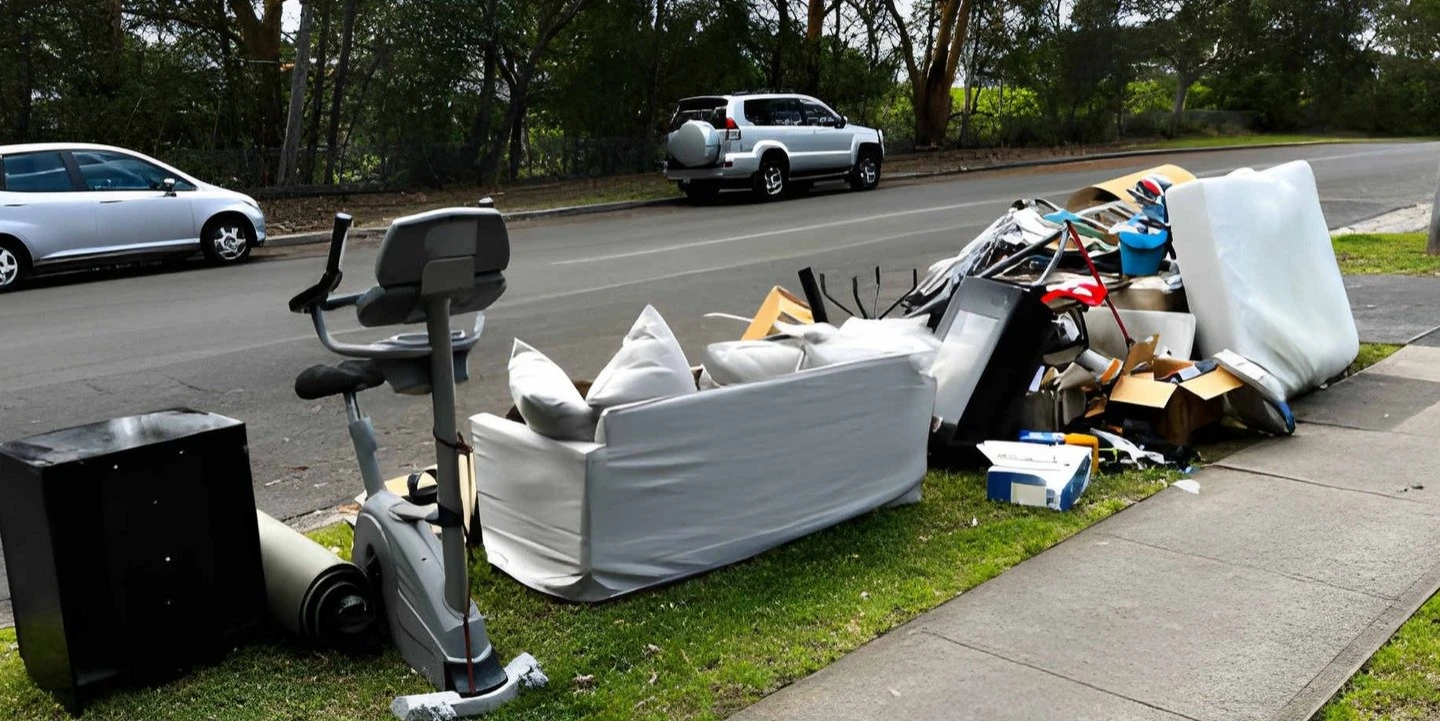
Junk hauling can involve furniture, appliances, household clutter, debris, and other unwanted materials.
Project costs can vary based on volume, weight, access, labor, and disposal requirements.
Property owners should confirm accepted materials before scheduling a pickup.
Clear access and accurate information can make the removal process more predictable.
Junk hauling generally begins with identifying the materials that need to leave the property. These may come from a garage cleanout, basement, attic, office, rental property, remodeling project, estate cleanout, or general decluttering.
Once the materials are removed, they can be directed toward appropriate disposal, recycling, reuse, or other processing options when available. Certain materials may have specific restrictions, so property owners should describe unusual items before scheduling.
The amount of material is one of the most important considerations when estimating a hauling project. A small collection of household items takes less vehicle capacity and labor than a full garage, basement, or property cleanout.
Access also affects the work involved. Materials located beside a driveway are generally easier to load than items stored upstairs, behind a narrow gate, inside a basement, or at the back of a large commercial property.
Property owners should provide an accurate description of the material and location when requesting an estimate. Photos can also help communicate the approximate scope when an in-person assessment is not immediately available.
Total volume and weight of unwanted material.
Number and size of bulky items.
Distance between the materials and loading vehicle.
Stairs, gates, narrow passages, or other access limitations.
Good preparation can make a hauling appointment more organized without requiring the property owner to perform the heavy lifting themselves. The first step is deciding which belongings are definitely being removed and separating anything that should remain.
Property owners comparing junk removal in Colorado Springs should also consider how the crew will reach the materials. Unlocking gates, clearing pathways, moving vehicles, and identifying the designated removal area can reduce unnecessary delays.
For indoor projects, valuable belongings and fragile items should be moved away from the work area whenever possible. This gives the crew a clearer route and reduces the chance of accidentally disturbing property that is not part of the removal.
Outdoor projects may require similar preparation. Vehicles, tools, landscaping equipment, or personal items should be moved away from the loading zone so the crew can work around materials without obstacles.
Another useful step is to group similar items together. Separating furniture from loose debris or household belongings from renovation materials can make it easier to explain the scope and determine how the project should be handled.
A residential cleanout can range from removing a few large pieces of furniture to clearing an entire property. The size of the project usually determines how much planning is required.
Garage cleanouts can contain years of accumulated belongings, tools, boxes, appliances, and miscellaneous items. Basements and attics may present additional challenges because stairs and limited headroom can make carrying materials more difficult.
Moving situations can create another common reason for residential hauling. Property owners may need to remove items that will not be transported to the next home, including outdated furniture, damaged belongings, and accumulated household clutter.
Estate cleanouts can involve a different emotional and logistical situation. Families may need time to identify important possessions before the removal process begins. A clear sorting process can help prevent unwanted items from being removed accidentally.
Businesses, landlords, and property managers often face different hauling requirements from individual homeowners. Vacant rental properties may require removal of furniture, damaged fixtures, appliances, and accumulated debris before a new tenant moves in.
Commercial spaces can involve larger quantities and more complicated access conditions. Office furniture, shelving, equipment, packaging materials, and renovation debris may need to be removed while the property remains partially operational.
Junk hauling does not end when unwanted items leave the property. Responsible handling can determine whether certain materials are reused, donated, recycled, or sent to an appropriate disposal facility.
Reusable furniture and household items may have opportunities for donation or reuse depending on their condition and available local channels. Materials such as metals, cardboard, and certain appliances may also have recycling options.
Construction debris requires additional attention because different materials may be handled separately. Keeping recyclable or reusable materials apart from general waste can support better disposal outcomes when the service provider accepts those categories.
Property owners should ask questions about disposal when the project includes unusual materials. Understanding what can and cannot be accepted before pickup helps prevent delays and unexpected arrangements.
When comparing hauling services in Colorado Springs, property owners should evaluate more than the advertised price. They should consider the scope of work, accepted materials, labor, scheduling, access requirements, and how collected items will be handled.
A low starting price may not represent the final cost if additional labor, excessive volume, difficult access, or special disposal requirements are involved. A more useful comparison considers what is actually included in each service.
Communication also matters. A provider should be able to explain what information is needed before scheduling and how changes to the project will be handled if the actual material volume differs from the original description.
Property owners should also consider whether the provider regularly handles the type of project being planned. A small household pickup and a large property cleanout can require very different levels of equipment, labor, and coordination.
Which types of materials the provider accepts.
How the project is assessed and priced.
Whether loading and labor are included.
How difficult access conditions are handled.
Whether disposal or recycling options vary by material.
Some property owners can transport a few lightweight items using their own vehicles. Professional hauling becomes more useful when the project involves bulky furniture, heavy appliances, large quantities, or materials that require repeated trips.
Transportation capacity is often an overlooked issue. A standard passenger vehicle may not safely accommodate large furniture or substantial debris, while renting a truck adds costs, driving time, loading responsibilities, and disposal logistics.
Physical effort is another consideration. Moving refrigerators, sofas, mattresses, construction debris, or other heavy items can require multiple people and appropriate lifting techniques.
Before scheduling, property owners should create a clear inventory of the materials they want removed. They do not need to document every small item, but they should identify unusually large, heavy, fragile, or potentially restricted materials.
They should also determine whether all unwanted items will be ready at the same time. Combining several rooms or areas into one scheduled project may be more practical than arranging separate pickups when the entire property is already ready for clearing.
Finally, property owners should understand the pricing process before approving the work. Asking about volume, labor, disposal, and potential additional charges can make the final transaction more predictable.
What is usually included in junk hauling?
A typical hauling project can include loading unwanted materials, transporting them away from the property, and directing them toward appropriate disposal, recycling, reuse, or other processing options when available. The exact scope depends on the provider and material type.
Does the property owner need to move everything outside?
Not necessarily. Many hauling services include the labor required to remove items from their existing location. However, access conditions and service scope should be confirmed before scheduling, especially when materials are located upstairs, downstairs, or inside difficult-to-reach areas.
Can junk hauling handle a full garage or property cleanout?
Many providers handle larger cleanouts, but the property owner should explain the estimated volume and types of materials involved. A full cleanout may require more labor, vehicle capacity, and planning than a standard pickup.
How can homeowners estimate the amount of junk they have?
They can group the materials when possible and describe the number and size of major items. Photos can also provide useful context when discussing the project and estimating the required vehicle capacity.
Are hazardous materials accepted?
Not always. Chemicals, fuels, certain paints, medical waste, and other restricted materials may require specialized disposal. Property owners should identify these items before scheduling rather than assuming they can be included with ordinary household junk.

Hi, I’m Freya Parker, an automotive expert based in Melbourne. I specialise in helping people navigate the car selling process with confidence and ease. From valuing your vehicle to understanding market trends, I provide practical tips and honest advice to help you get the best possible price. My goal is to make selling your car simple, stress-free, and rewarding no confusion, just clear guidance and results.
Be the first to share your thoughts
No comments yet. Be the first to comment!
Share your thoughts and join the discussion below.